Employee Burnout, Causes, and Cures in the Modern Work Environment By Professor Siu Oi-ling, Lam Woo Chair Professor of Applied Psychology and Director of Master of Science of Work and Organizational Psychology Programme at Lingnan University
Key takeaways:
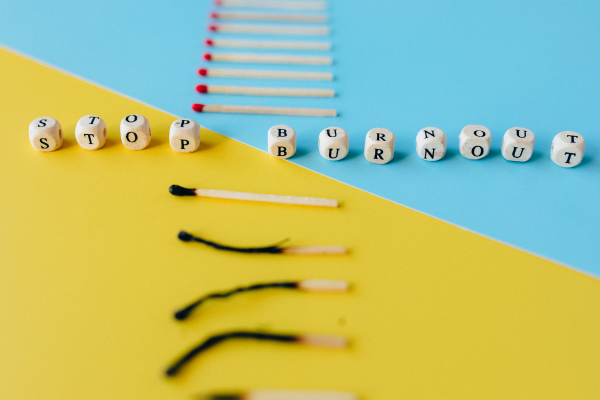
Burnout is a rapidly growing issue for organisations and their employers across all industries, especially since the onset of the COVID-19 pandemic.
As part of their awareness and response culture, companies can mitigate employee burnout by developing an action plan which includes stress management programmes.
Employee burnout, an extreme form of work stress, the feeling of physical and mental exhaustion, is far from being a new phenomenon. However, accelerated by the pandemic, reports of surging rates of employee burnout is on the increase, creating a challenge that every organisation across industries cannot afford to overlook. In the world of work characterised by uncertainty and constant change, while the factors that contribute to burnout tend to differ from one person to the next, major contributing factors include increased workload, shifting work patterns, working longer hours, dependence on technology, a decline in interpersonal interaction, adapting to work-from-home (WFH) models, and a blurring of the boundaries between work and personal life.
In Hong Kong, widely renowned for employees working considerably more hours per week than the global average, studies indicate that burnout levels are at the highest in Asia. Studies also reveal that stress and burnout are reported at all levels of the organisational hierarchy. This can create problems for companies through lost hours of work from stressed-out employees taking frequent leave of absence on medical grounds, as well as poor decision making and an impaired ability to exercise proper judgment.
In addition to work overload, long working hours, and meeting deadlines, research on occupational stress, conducted by Prof. Siu since 1996, has revealed the major causes of stress in Hong Kong and Mainland China can include conflict with clients and customers and among colleagues; organisational constraints such as inadequate equipment or technology and the work-home interface, which includes work-to-family and family-to-work relationships. The pandemic has aggravated these stress causing factors, particularly the work-home interface and an increased feeling of job insecurity. Significantly, based on “Occupational Stress and Its Economic Cost in Hong Kong” research reported by Prof. Siu and coworkers in 2020, the annual economic costs attributed to these stress inducing factors is estimated to be between HK$4.81 billion to HK$7.09 billion.
Recognising the causes and signs of burnout
In academic terms, according to Professor Christina Maslach and organisational psychologist Michael Leiter, who have been at the forefront of burnout research for more than three decades, burnout is a psychological syndrome reflecting the accumulated difficult interaction between a person and his or her work. According to Maslach and Leiter, who have published numerous papers and books on the topic, burnout includes three aspects: emotional exhaustion, the stress dimension of bunout; cynicism or depersonalisation, the interpersonal correlation dimension of burnout; and ineffectiveness, the self-evaluation dimension of burnout. Classic symptoms include difficulty making decisions, a loss of motivation, a higher-than-normal level of irritability, tiredness, and difficulty concentrating. However, it should be noted that burnout can also be associated with other behaviour changes.
- Feeling like you have little or no control over your work
- Working too much, without enough time for relaxing and socializing
- Being expected to do too many things for too many people
- Taking on too many responsibilities, without enough help from others
- Not getting enough sleep
- Lack of close, supportive relationships
- Perfectionistic tendencies; nothing is ever good enough
- Pessimistic view of yourself and the world
- The need to be in control; reluctance to delegate to others
- Type A personality (negative side- competitive, time urgent, hostile/aggressive; positive side- high-achieving)